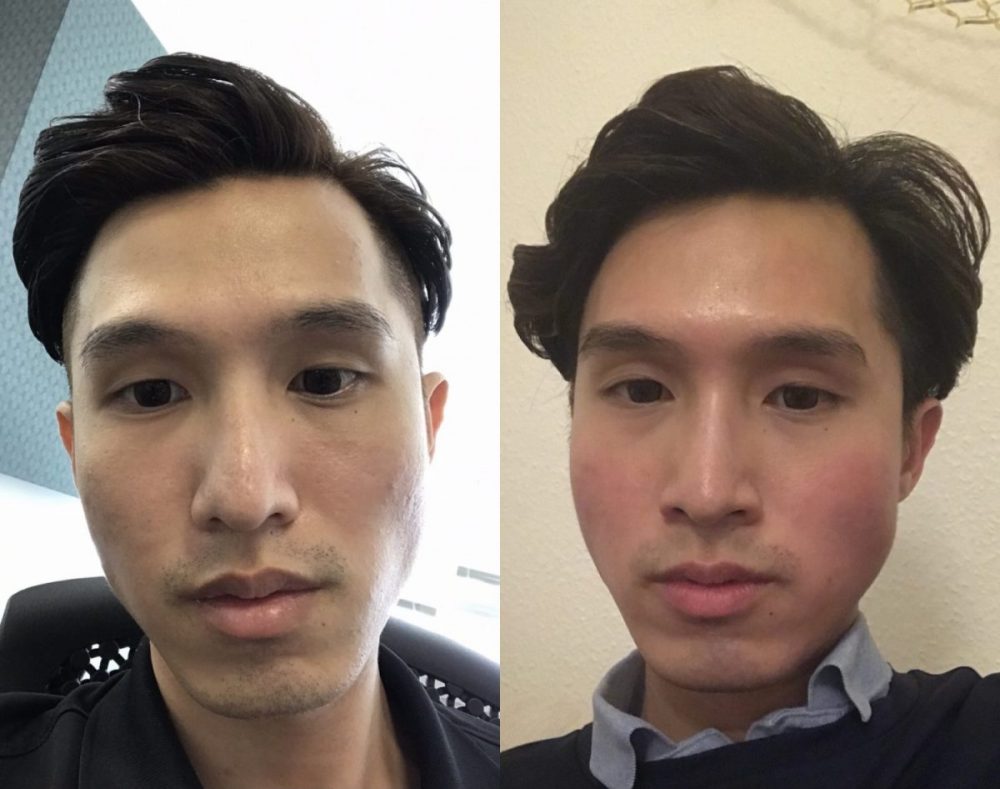
I’ve spent way too much money and time on my skin to not talk about it, and I’m writing this to hopefully save you some efforts. So if you’re like me, on a R E L E N T L E S S pursuit for the best skin possible, strap in because it’s going to be a long but good one.
Background of my skin
In Singapore’s climate I’ve had very oily skin and *anybody* who knows me agrees.
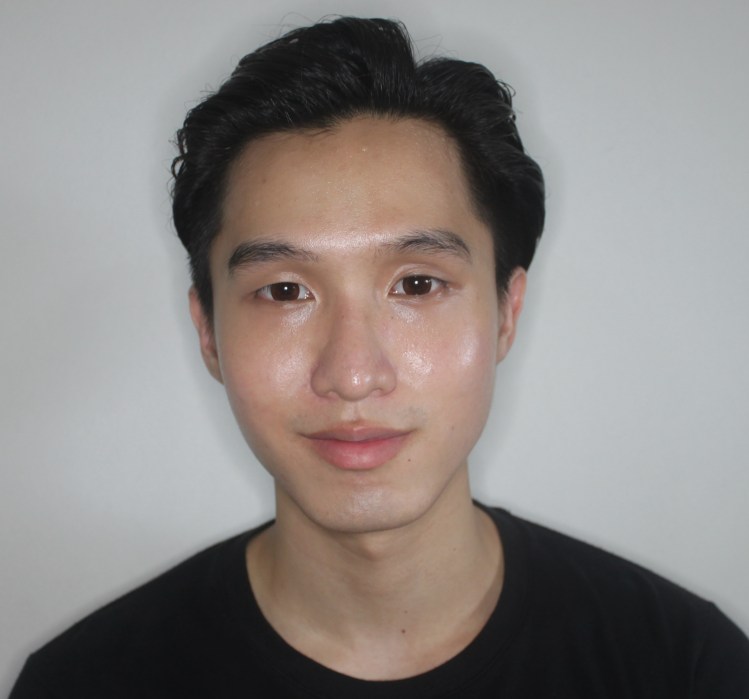

My acne condition fluctuated since I was 14, got to its worst around 18 – 19 and reached equilibrium around 23. I have to clarify though that I don’t have bad skin — I don’t recall ever having more than 5 concurrent, active cystic pimples even at my worst.
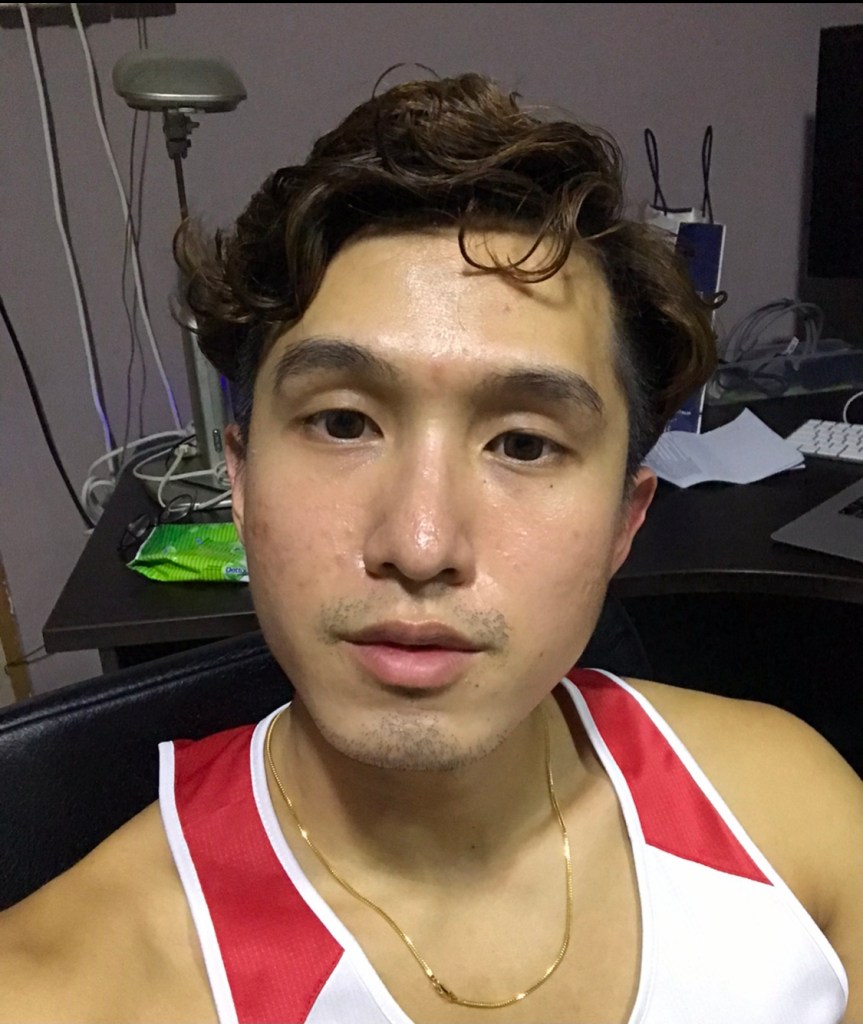
The biggest problem with my skin is if I get a pimple, it takes a disproportionate amount of time to go away. It’s primarily because of post-inflammatory erythema (PIE) or post-inflammatory hyperpigmentation (PIH). The discolouration from a pimple typically takes months to completely disappear and recently I’m wondering if my remaining ones will even go away without external help.
Because each pimple (or its residual dyspigmentation) takes so long to completely disappear, I usually develop a new pimple before the old one goes away. So despite having few active pimples, my skin can look worse than it feels. Over the years though, my past acne had unfortunately left some scars.
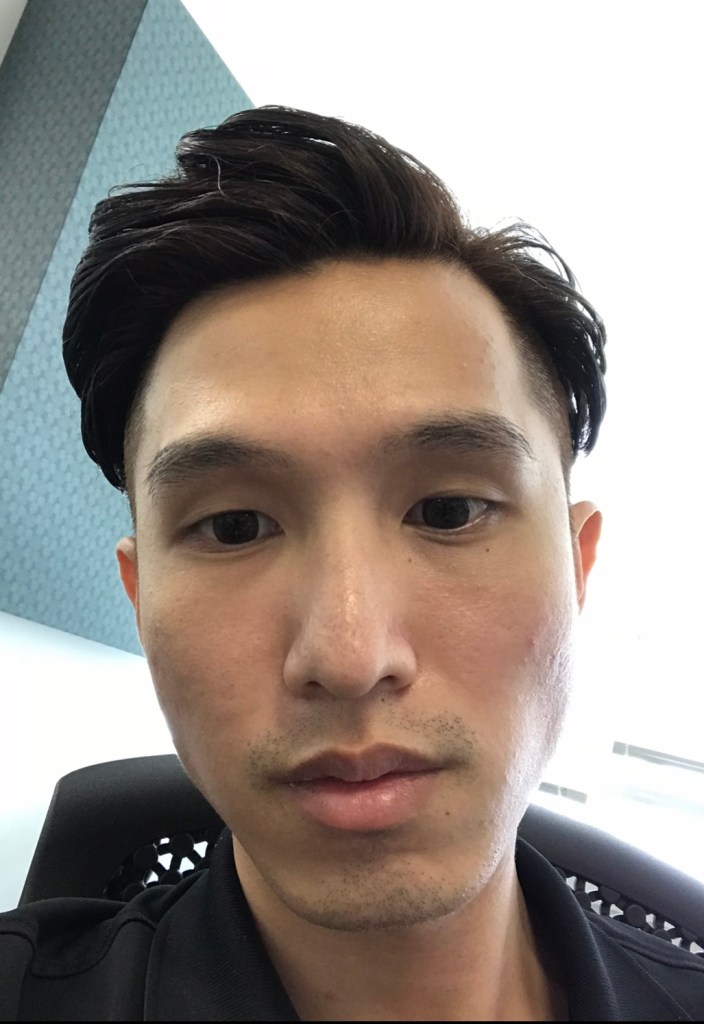

Things being said, the issues I’ve always been very adamant — borderline irrational — about fixing are levelling my pitted scars, lightening my dyspigmentation and more recently, keeping my sebum production (oiliness) under control.
What have I done and did they work?
I’ve used and done far too many things. I’ve had subcision (with and without fillers), chemical peels, and fractional CO2 (or its variants), INFINI and CoolTouch lasers done as medical procedures. I’ve used most kinds of exfoliating acids (AHA, BHA, glycolic…), tretinoin (and its variant adapalene) and various other run-of-the-mill substances (vitamin C, hyaluronic acid…) as part of my skincare routine. I’ve also gone to beauty salons for extraction and other (gimmicky) treatments.
Having done all these things, I actually think the doctors themselves and the routines or the protocols they introduce might be more important than the procedures or products being used.
For my skin, Niks Maple‘s recommendation was the most robust routine of topical products to control my acne condition, while Sozo Aesthetics provided the most satisfactory protocol of medical procedures to revise my scars.
Clarification 1: topical treatment
I went to Niks Maple at my friend’s recommendation when I was 18 and I was prescribed a whole suite of topical products. This varied depending on my skin condition during each visit but it largely follows this routine: facial cleanser, a variant of some serum or toner, glycolic acid in varying concentration, moisturiser, tretinoin (0.025%, 0.05% or 0.1%), some facial oil and sunscreen. They also prescribe antibiotics (dalacin T or clindamycin) or spot treatments (epiduo — adapalene + benzoyl peroxide or some other in-house variant) depending on the severity of my acne condition when I visit. All these were many years ago so my information could be outdated.
I think their routine is robust because they:
- introduced me to the most effective products in general skincare and in combating acne, namely:
- glycolic acid (holy grail 1), tretinoin (holy grail 2), clindamycin (which I no longer use) and epiduo (for the occasional spot), and
- I still broadly follow their recommended routine of applying products.
But because of costs and personal preferences, I only use tretinoin (0.05% — Galderma), glycolic acid (12% — in-house formulation) and epiduo (Galderma) from them now.
Clarification 2: medical procedures
Because I am impossibly nit-picky and no topical treatment is going to satisfactorily treat my atrophied scars, I sought out medical procedures to revise them. Before Sozo Aesthetics, I was prescribed subcision, chemical peels, fractional CO2 (of varying strengths) and CoolTouch lasers… but they just felt very haphazardly prescribed and performed. These treatments are acclaimed so they should have yielded some (good) results, but I still felt that there was room for improvements.
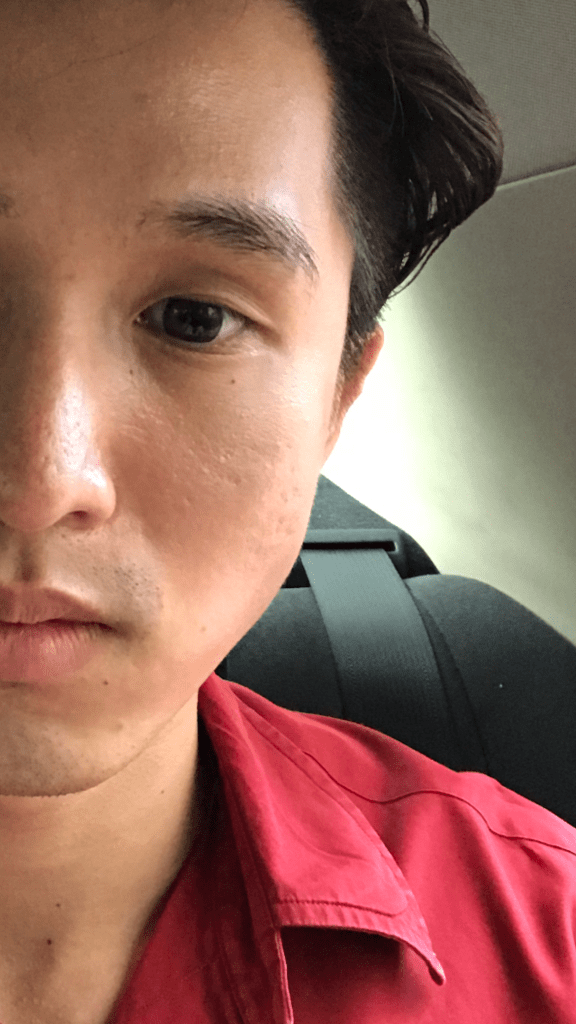
Justin Boey from Sozo Aesthetics on the other hand, described a very systematic approach to his treatment plan. He recommended in each session, a combination of:
- subcision (with or without fillers) to free and plump my skin from underlying scar tissues,
- INFINI laser to treat deeper dermal layers of my skin, and
- fractional CO2 laser to treat more superficial layers of my skin.
Disclaimer: I have deliberately described these procedures in brief because I am no medical expert. Read here, here and here for more details.
These were done in monthly intervals over a number of sessions depending on your budget. I went for the maximum (8) because this was a “last-ditch effort” at giving myself closure, that I’ve done absolutely everything for my skin if this still turned out unsatisfactory.
Ultimately, I cannot causally identify the efficacy of each procedure or product because they were (1) performed and used in combination, (2) over different periods of time. Any econometrician (ha-ha) will tell you that there are too many confounding factors at play here. My skin can however, attest to the efficacy of these things collectively. I have to caveat though that the Danish weather has treated my facial skin favourably — I’ve produced less sebum and sweat here — and I’m also low-dosing isotretinoin, which targets limiting sebum production.
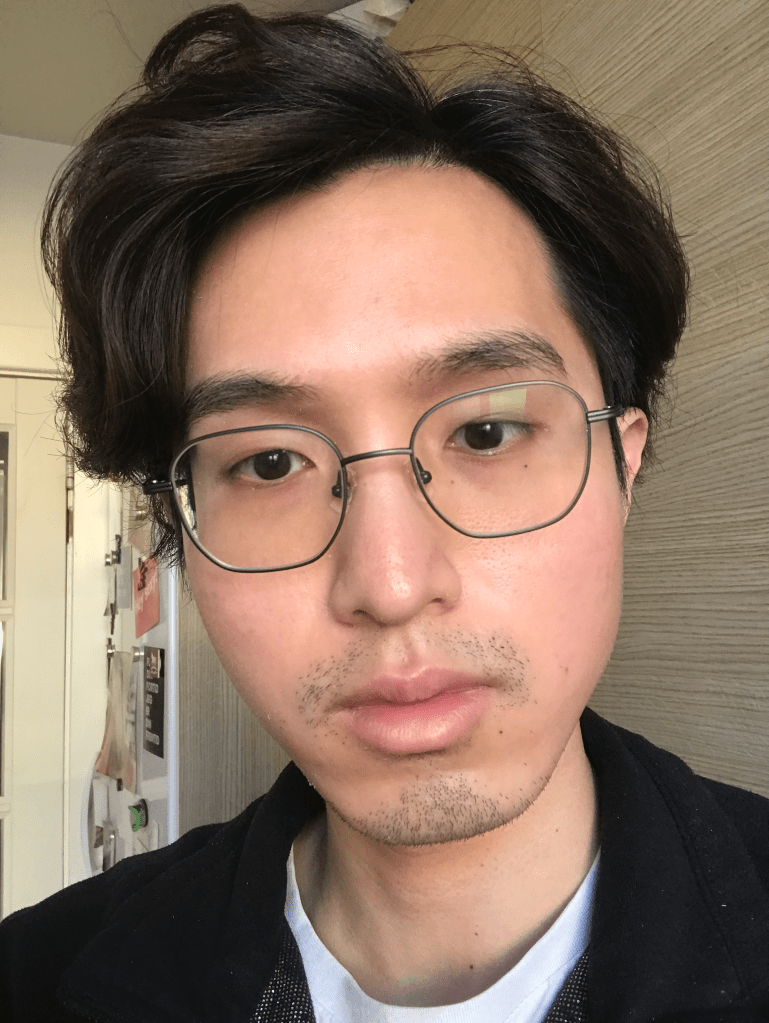
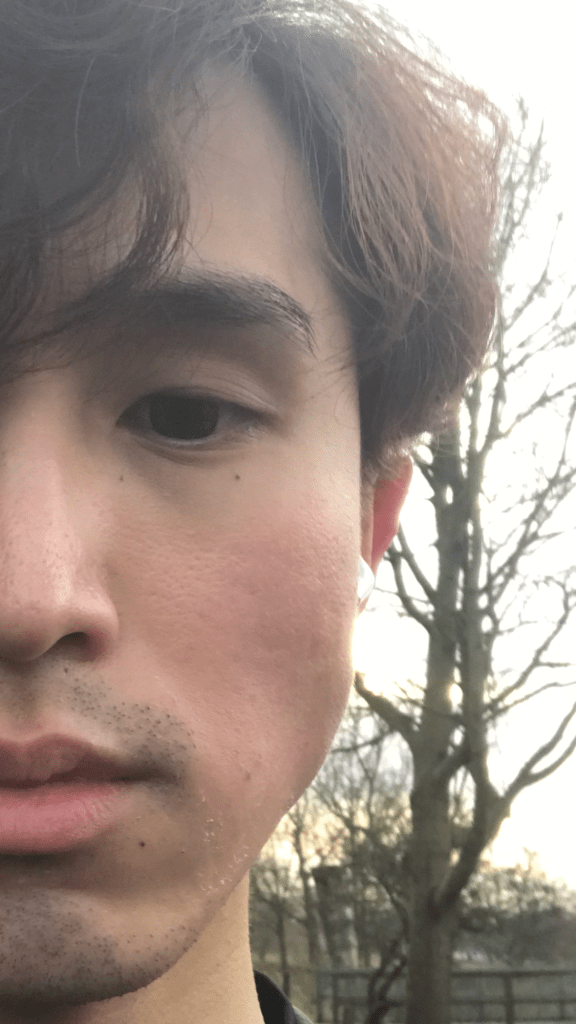
You can decide if the results are discernible enough. I’m satisfied with the texture of my skin and I suspect the remaining scarring appearance has more to do with dyspigmentation than actual atrophy.
Red flags
Any medical aesthetics clinic or beauty salon can recommend treatments that promise to treat your acne scars. But as mentioned before, it is to your detriment if they are haphazardly prescribed or performed, e.g.:
- if doctors prescribe only sporadic/ one-off treatments with no clear medium to long-term plan nor past results to show you, or
- non-medically certified beauticians who might use inadequately powered devices or iffy techniques to conduct your treatments. (I had the experience of having my spots consistently skipped by these beauticians during treatments for fear of worsening them — why am I paying these people for treatment then?)
If you expect radical improvements to your skin, especially for acne scarring, my personal take is simply to find a well-reviewed medical professional for treatments and avoid non-medically trained beauticians.
Separately, I’m also not a fan of influencer marketing regarding skincare. My main gripe is many influencers are likely unable to provide clear, causal and quantifiable evidence of the individual efficacy of the products or services that they’re promoting. It’s even more likely the case if they’re promoting different products within short periods of time based on anecdotal experience.
Concluding remarks
As you can tell, I clearly have an (unhealthy) obsession with skincare and treatments. It was part of my plan to go for Pico laser, but hey Copenhagen happened, and Pico lasers here are more targetted at tattoo removal than treating dyspigmentation. Either way, I hope my long exposition has helped or informed you somewhat and feel free to reach out below if you have other questions!
 bohsupremo